
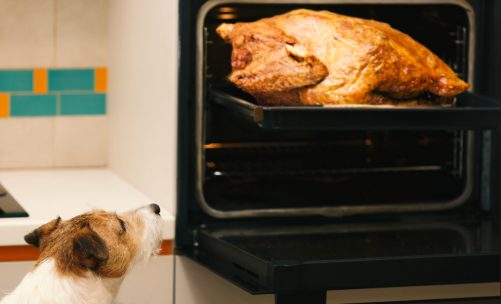
Can dogs eat turkey? Yes, dogs can eat turkey in certain situations, but the details matter more than many pet owners expect. Turkey itself is a source of protein, yet how it is prepared, seasoned, and served determines whether sharing it is appropriate. Many questions about whether dogs can eat turkey come up around holidays, family meals, and leftovers, when curious dogs watch closely from the kitchen. Understanding what makes turkey acceptable or risky helps pet owners make informed choices and avoid preventable problems.
At Advanced Pet Care of Clear Lake in Webster, TX, conversations about can dogs eat turkey often come up during wellness visits and seasonal checkups. If you ever have questions about your dog’s diet or health, you can call (281) 486-1509 or book an appointment online to speak with a veterinary professional.
Why Pet Owners Ask: Can Dogs Eat Turkey?
The question “Can dogs eat turkey?” usually starts with good intentions. Turkey feels wholesome, familiar, and widely recommended for people watching their own diets. When dogs show interest in what is on the table, it is natural to wonder whether sharing a bite is reasonable. Turkey also appears in many commercial dog foods, which further fuels the assumption that it must always be safe.
However, this is not a yes-or-no question without context. Dogs experience food differently than people do, and ingredients that seem harmless to humans can cause digestive upset or other issues for pets. Turkey served at family meals often includes fats, seasonings, and cooking methods that are not ideal for dogs. This gap between perception and reality explains why veterinarians frequently clarify the nuances behind whether dogs can eat turkey during appointments.
Understanding Turkey as a Protein Source for Dogs
Turkey itself is a lean animal protein, and that fact often drives the belief behind whether dogs can eat turkey. Protein supports muscle maintenance, tissue repair, and overall energy in dogs. Plain turkey meat contains amino acids that dogs can use effectively as part of a balanced diet.
That said, the form of turkey matters. Turkey in dog food is processed specifically for canine digestion, while turkey on a dinner plate is prepared for human taste. When evaluating whether dogs can eat turkey, it helps to separate the ingredient from the preparation. Plain, unseasoned turkey differs significantly from roasted turkey with skin, butter, gravy, or stuffing. The protein may be the same, but everything added to it changes how a dog’s body responds.
When Turkey Becomes a Problem for Dogs
Seasonings, Oils, and Additives
One of the biggest concerns behind the question of whether or not dogs can eat turkey involves seasonings. Garlic, onions, onion powder, and certain spices commonly used in turkey recipes are not appropriate for dogs. These ingredients often appear in rubs, marinades, and gravies, making even a small portion problematic. Oils and butter used during cooking add fat that dogs may not tolerate well. High-fat foods can lead to digestive upset, especially in dogs that are not accustomed to rich meals. When pet owners ask, “Can dogs eat turkey?”, they are often surprised to learn that the issue is rarely the turkey itself, but everything that comes with it.
Skin and Fat Content
Turkey skin deserves special attention when discussing whether dogs can eat turkey. The skin holds much of the fat and seasoning from cooking. While dogs may find it appealing, turkey skin increases the calorie and fat load of a meal quickly. For some dogs, this can result in vomiting or loose stools after eating. Fatty scraps also disrupt portion control. Even small dogs can consume a large amount of fat in a short time when offered turkey skin. This is another reason veterinarians encourage pet owners to think carefully before sharing table food and to revisit the question of if dogs can eat turkey in a realistic way.
Bones and Why They Matter
Cooked Bones vs. Raw Bones
Another critical part of the “Can dogs eat turkey?” conversation involves bones. Cooked turkey bones become brittle and can splinter easily. These sharp fragments pose a risk if swallowed and can cause internal injury. Turkey legs, wings, and carcasses often contain bones that look tempting to dogs but carry serious risks. Pet owners sometimes assume that because dogs chew bones naturally, turkey bones are acceptable. However, cooked poultry bones behave differently than raw bones. When considering whether dogs can eat turkey, bones should always be excluded from anything a dog might access.
Hidden Bone Risks in Leftovers
Leftovers present another challenge related to whether dogs can eat turkey. Small bones may hide in chopped meat, casseroles, or soups made from turkey. Even careful pet owners may miss a fragment when sharing a bite. This is why many veterinarians advise against feeding table leftovers altogether, especially those involving poultry.
Holiday Meals and the Turkey Temptation
Holiday gatherings create a perfect storm for questions like “Can dogs eat turkey?”. Guests may slip dogs table scraps, or dogs may grab unattended plates or trash. Turkey often appears alongside stuffing, gravy, casseroles, and desserts, all of which introduce additional risks.
During these times, dogs may eat foods they rarely encounter, increasing the chance of digestive upset. The excitement and change in routine also make it harder to monitor what dogs consume. For families celebrating with a large meal, planning ahead helps reduce stress and limits the need to revisit whether dogs can eat turkey after the fact.
Turkey in Commercial Dog Foods vs. Table Turkey
Why Dog Food Turkey Is Different
Seeing turkey listed on a dog food label often reassures pet owners and reinforces the belief behind dogs being able to eat turkey. Commercial dog foods use turkey that is processed, cooked, and balanced to meet canine nutritional standards. The formulation considers protein levels, fat content, and digestibility. Table turkey does not undergo the same controls. Salt, seasoning, and cooking methods vary widely. When evaluating whether dogs can eat turkey, it is helpful to remember that dog food ingredients are designed specifically for pets, while human meals are not.
Portion Size and Balance
Another difference between dog food turkey and table turkey involves portion size. Dog foods measure nutrients carefully to maintain balance. Offering table turkey adds calories without adjusting the rest of a dog’s diet. Over time, this can affect weight and overall nutrition. The question “Can dogs eat turkey?” often leads into a broader discussion about consistency and moderation in feeding routines.
Common Myths About Dogs and Turkey
“If It’s Lean, It’s Always Safe”
A common myth tied to whether dogs can eat turkey is the belief that lean meat is automatically safe. While turkey meat is lean compared to some proteins, preparation changes everything. Lean meat with added salt or seasoning no longer fits that description from a dog’s perspective. Dogs do not process sodium the same way humans do. Excess salt from seasoned turkey can contribute to thirst and other concerns. This myth underscores why understanding “Can dogs eat turkey?” requires more than a quick answer.
“A Small Bite Won’t Matter”
Another misconception surrounding whether dogs can eat turkey is that a small bite is insignificant. For some dogs, even small amounts of rich or seasoned food can trigger digestive upset. Size, age, and individual sensitivity all play a role. What seems minor to a person may feel very different to a dog’s digestive system.
Talking With Your Veterinarian About Diet Questions
Questions like “Can dogs eat turkey?” highlight how important it is for pet owners to feel comfortable discussing diet with their veterinary team. Food choices affect energy levels, digestion, and long-term health. Even when the question seems simple, the answer often depends on the individual dog.
At Advanced Pet Care of Clear Lake, veterinarians and staff regularly talk with pet owners about everyday feeding questions. These conversations help clarify which foods fit into a dog’s routine and which are better left off the menu. If you have concerns about your dog’s diet, calling (281) 486-1509 or scheduling an appointment online provides a chance to get guidance tailored to your pet.
Making Thoughtful Choices About Sharing Food
Understanding whether dogs can eat turkey ultimately comes down to thoughtful decision-making. Turkey itself is not harmful in every situation, but common preparations introduce risks that pet owners often overlook. Seasonings, skin, bones, and portion size all influence whether sharing food supports or disrupts a dog’s routine. For pet owners in Webster, TX, Advanced Pet Care of Clear Lake remains a trusted resource for questions about nutrition and daily care. By asking informed questions and staying mindful of what goes into a dog’s bowl, families can make choices that align with their pet’s needs. When in doubt about whether dogs can eat turkey or any other dietary concern, reaching out to a veterinary professional helps keep those decisions grounded and confident.
About Us
Advanced Pet Care of Clear Lake is a full-service veterinary hospital in Webster, TX, offering advanced diagnostics, surgery, dental care, and boarding for pets, including exotics.