
When your cat has diarrhea and vomiting at the same time, it is hard not to feel alarmed. These two symptoms together indicate that something has disrupted your cat’s gastrointestinal system, and the combination can range from a self-limiting stomach upset to a sign of a serious underlying condition. At Advanced Pet Care of Clear Lake, we’ll help you to know what causes cat diarrhea and vomiting, how to recognize when it is an emergency, and how our team will help.
Why Does My Cat Have Diarrhea and Vomiting?
Cat diarrhea and vomiting occurring together is a common presentation of gastrointestinal illness in cats. The two symptoms together are called gastroenteritis, a broad term that simply means inflammation of the stomach and intestines. Gastroenteritis in cats can be caused by a wide range of triggers, from dietary indiscretion to infectious disease to systemic illness that affects the digestive tract as a secondary symptom.
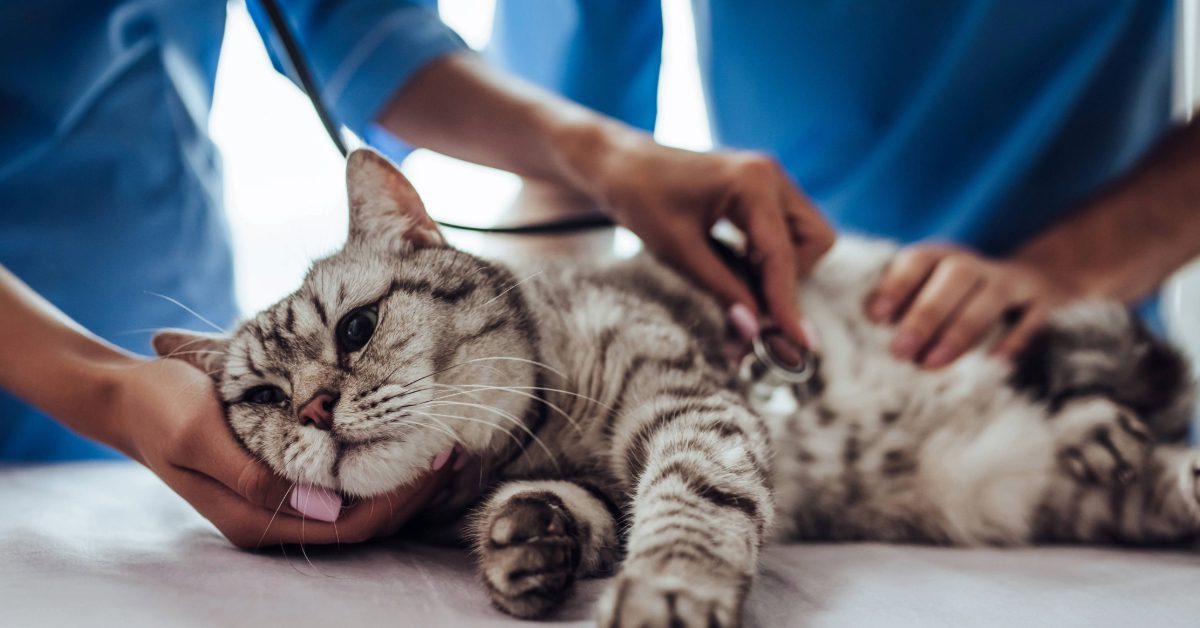
At Advanced Pet Care of Clear Lake in Webster, TX, our veterinary team is equipped to treat cats with concurrent vomiting and diarrhea. The approach to diagnosis depends heavily on the duration, severity, and any other symptoms accompanying the GI signs. A cat that vomits once and has loose stool is evaluated very differently from a cat that has been vomiting and having diarrhea for two days straight.
Common Causes of Cat Diarrhea and Vomiting
Understanding what might be behind your cat’s symptoms can help you communicate with your veterinarian and recognize urgency when it exists. The most common causes our team evaluates include the following:
Dietary Changes or Indiscretion
One of the most common reasons a cat develops diarrhea and vomiting is a sudden change in diet or eating something that does not agree with their digestive system. Cats have sensitive gastrointestinal tracts, and switching foods too quickly, introducing new treats, or getting into something they should not have can all trigger acute gastroenteritis. This type of cat diarrhea and vomiting is often mild and resolves within 24 to 48 hours once the offending food is removed.
Intestinal Parasites
Intestinal parasites including roundworms, hookworms, coccidia, and giardia can cause vomiting and diarrhea in cats, particularly in younger cats or those with outdoor access. Parasites irritate the intestinal lining, disrupt normal digestion, and can cause significant gastrointestinal upset. Regular fecal testing and parasite prevention at Advanced Pet Care of Clear Lake are the best tools for catching and preventing parasitic infections in cats.
Viral or Bacterial Infections
Feline panleukopenia, also known as feline distemper, is a serious viral disease that causes severe vomiting and diarrhea in cats and can be life-threatening, especially in unvaccinated or young cats. Other bacterial infections, including salmonella and campylobacter, can also cause significant gastrointestinal illness. These infectious causes of cat diarrhea and vomiting often produce more severe symptoms and require prompt veterinary diagnosis and treatment.
Inflammatory Bowel Disease
Inflammatory bowel disease, or IBD, is one of the most common causes of chronic vomiting and diarrhea in cats. IBD occurs when the immune system inappropriately attacks the cells of the GI tract, leading to persistent inflammation. Cats with IBD typically have a history of intermittent or chronic vomiting and loose stool, often accompanied by weight loss and changes in appetite. Diagnosis requires biopsy in most cases, and management is long-term. The veterinary team at Advanced Pet Care of Clear Lake is experienced in managing feline IBD.
Hyperthyroidism
Hyperthyroidism is one of the most common endocrine conditions in middle-aged and older cats. An overactive thyroid gland causes a cascade of systemic effects, including weight loss, increased appetite, restlessness, and gastrointestinal signs such as vomiting and diarrhea. If your senior cat has diarrhea and vomiting alongside these other signs, hyperthyroidism should be ruled out. It is diagnosed with a simple blood test and is treatable once identified.
Kidney Disease and Other Systemic Conditions
Chronic kidney disease, liver disease, pancreatitis, and certain toxin exposures can all cause vomiting and diarrhea in cats as part of a broader systemic illness. These conditions are more common in middle-aged and senior cats. When the veterinarians at Advanced Pet Care of Clear Lake evaluate a cat with vomiting and diarrhea, part of the workup involves ruling out systemic illness, particularly in older patients.
How Serious Is It? Recognizing Severity in Cats with Diarrhea and Vomiting
Not every episode of cat diarrhea and vomiting requires an emergency visit, but some absolutely do. Cats are particularly susceptible to dehydration, which can develop quickly when both vomiting and diarrhea are present at the same time. Dehydration in cats can become dangerous within 24 hours and in some cases can be life-threatening.
Signs That Require Immediate Veterinary Care
Contact Advanced Pet Care of Clear Lake right away if your cat is showing any of the following:
- Vomiting and diarrhea that are both severe or have continued for more than 24 hours
- Blood in the vomit or diarrhea
- Signs of dehydration: sunken eyes, dry or tacky gums, lethargy, skin that does not spring back when gently pinched
- Complete loss of appetite lasting more than a day
- Extreme weakness or inability to stand
- Abdominal pain or a distended belly
- Known or suspected ingestion of a toxin, medication, or foreign object
- Kittens or senior cats with any severity of vomiting and diarrhea
Kittens and older cats are much more vulnerable to the effects of vomiting and diarrhea than young adult cats and should be seen by a veterinarian sooner rather than later.
What Your Vet Will Do for a Cat with Diarrhea and Vomiting
When you bring your cat to Advanced Pet Care of Clear Lake for vomiting and diarrhea, our veterinary team will conduct a thorough physical examination and take a detailed history. We will ask about the duration and frequency of symptoms, your cat’s diet and any recent changes, whether your cat has had access to the outdoors or other animals, and any other symptoms you have observed.
Depending on the findings and your cat’s condition, diagnostics may include bloodwork and urinalysis to assess organ function and check for signs of systemic illness, a fecal exam to look for parasites, imaging such as X-rays or abdominal ultrasound, and in some cases a parvovirus snap test for feline panleukopenia. Treatment will be guided by the diagnosis, but may include fluid support for dehydration, anti-nausea medication, gastrointestinal supportive care, dietary changes, antibiotics or antiparasitic medications, or referral for more advanced diagnostics if needed.
Cat Diarrhea and Vomiting in Kittens: A Special Concern
Kittens are at significantly higher risk from vomiting and diarrhea than adult cats. Their immune systems are still developing, their body reserves are smaller, and they can become dehydrated and hypoglycemic rapidly. Feline panleukopenia, in particular, is devastating in unvaccinated kittens and can be fatal without aggressive treatment.
If you have a kitten with diarrhea and vomiting, do not wait to see if it resolves. Call Advanced Pet Care of Clear Lake at (281) 486-1509 promptly. Even mild symptoms in kittens can escalate quickly, and early intervention dramatically improves outcomes.
Preventing Cat Gastroenteritis with Routine Care
While you cannot prevent every episode of cat diarrhea and vomiting, routine veterinary care at Advanced Pet Care of Clear Lake goes a long way toward minimizing risk. Here is how preventive care helps:
- Vaccinations: Keeping your cat current on core vaccines, including feline panleukopenia, protects against some of the most serious infectious causes of gastroenteritis.
- Parasite prevention and fecal testing: Regular deworming and annual or biannual fecal exams catch parasites before they cause significant illness.
- Annual wellness exams: Routine bloodwork and physical exams allow us to identify conditions like hyperthyroidism, kidney disease, and early IBD before they progress to symptomatic stages.
- Consistent, high-quality diet: Feeding a nutritious, consistent diet and making food changes gradually reduces the likelihood of dietary-induced GI upset.
When Two Symptoms Add Up to One Clear Message
A cat with diarrhea and vomiting is a cat whose body is working hard to deal with something it should not have to handle alone. Whether the problem is a minor dietary upset, a parasitic infection, or a chronic condition that needs management, the answer starts with a proper veterinary evaluation.
Advanced Pet Care of Clear Lake in Webster, TX is equipped to diagnose and treat gastrointestinal conditions in cats of all ages. Our compassionate team is here to help you get answers, get your cat feeling better, and develop a plan to prevent recurrence. Call us (281) 486-1509 or book an appointment online, or bring your cat in if you are concerned about their symptoms. We serve cat owners throughout Webster, Clear Lake, and the greater Houston area.
About Us
Advanced Pet Care of Clear Lake is a full-service veterinary hospital in Webster, TX, offering advanced diagnostics, surgery, dental care, and boarding for pets, including exotics.