

If your dog keeps eating grass, you are not alone, and your dog is probably not sick. Dogs eating grass is one of the most common behaviors pet owners notice and one of the most frequently searched questions on the internet. The short answer is that grass eating in dogs is usually normal, but there are times when it signals something worth discussing with your veterinarian. Here is what you need to know.
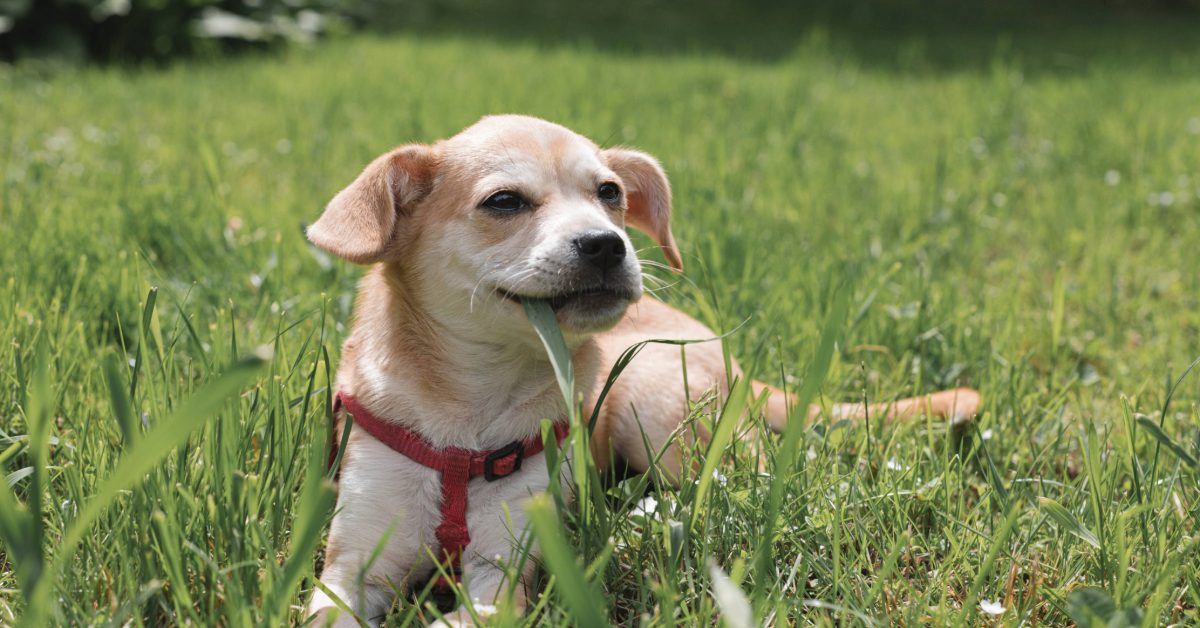
Is It Normal for Dogs to Eat Grass?
Yes, in most cases, a dog eating grass is completely normal behavior. Veterinarians and animal behaviorists have studied this habit for years, and the consensus is that grass eating is a natural, instinctive activity for many dogs. Some dogs do it occasionally; others do it every single day. Both patterns can fall within the range of normal.
At Advanced Pet Care of Clear Lake in Webster, TX, our veterinary team sees patients regularly whose owners are concerned about grass eating. The good news is that this behavior is rarely a sign of a serious problem. However, context matters and understanding why your dog eats grass can help you decide when it is just a quirky habit and when it might be time to call us.
Why Do Dogs Eat Grass in the First Place?
There is no single definitive answer, but researchers and veterinarians have identified several likely explanations for why dogs eat grass:
- Instinct and ancestral behavior: Wild canines historically consumed plant material as part of their diet. Your domesticated dog may be tapping into those same instincts, even when they have a full bowl of food waiting at home.
- Dietary fiber needs: Some dogs may eat grass because they are seeking more fiber or roughage in their diet. Grass can stimulate digestion, and some dogs seem to crave it when their gut is feeling sluggish.
- Boredom or entertainment: For some dogs, eating grass is simply something to do. Dogs who spend a lot of time in the yard without much stimulation may graze simply because it is there.
- Taste and texture: Believe it or not, some dogs genuinely enjoy the taste or texture of grass, particularly fresh green blades in the spring.
- Gastrointestinal discomfort: While not always the cause, some dogs eat grass when they have an upset stomach. The grass may trigger vomiting, which can provide temporary relief.
Does Eating Grass Mean My Dog Has an Upset Stomach?
Not necessarily. The idea that dogs eat grass specifically to induce vomiting is widespread, but the research does not fully support it as the primary motivation.
Studies have shown that less than 25% of dogs who eat grass actually vomit afterward. Most dogs that eat grass do so casually, grazing slowly, seeming relaxed, and showing no signs of illness before or after. If your dog falls into this category, grass eating is almost certainly just a behavioral habit.
That said, there is a subset of dogs who eat grass differently. These dogs may eat frantically, gulping large amounts quickly, and they are more likely to vomit afterward. If your dog’s grass eating looks more urgent or frantic than leisurely, it could indicate gastrointestinal discomfort, and a conversation with your vet at Advanced Pet Care of Clear Lake is a good idea.
Signs the Grass Eating May Be Related to a Stomach Problem
Watch for the following signs that suggest the behavior may be connected to a GI issue rather than just a habit:
- Your dog suddenly starts eating much more grass than usual
- The grass eating is frantic or compulsive rather than relaxed
- Vomiting consistently follows the grass eating
- Your dog also shows signs like lethargy, loss of appetite, or bloating
- There is blood in the vomit or stool
Can Eating Grass Be Harmful to Dogs?
Grass itself is not toxic to dogs. Plain, untreated lawn grass is generally safe for dogs to nibble on. The danger lies in what might be on the grass, not the grass itself.
Pesticides, Herbicides, and Fertilizers
One of the most significant risks associated with dogs eating grass is chemical exposure. Lawns that have been recently treated with pesticides, herbicides, or fertilizers can be genuinely dangerous to dogs. These chemicals can cause gastrointestinal upset, neurological symptoms, and in severe cases, toxicity that requires emergency veterinary care.
If you treat your own lawn, always follow label instructions about re-entry times and keep your dog off treated areas. When visiting parks or other grassy areas, be aware that you cannot always know what treatments have been applied.
Intestinal Parasites
Grass and soil can harbor intestinal parasites, including roundworms, hookworms, and giardia. Dogs who regularly eat grass, especially from public spaces or areas frequented by other animals, have increased exposure risk. This is one reason keeping your dog current on parasite prevention and regular fecal testing are important parts of your pet’s wellness plan. The team at Advanced Pet Care of Clear Lake can help you determine the right parasite prevention protocol for your dog’s lifestyle.
Toxic Plants Mixed with Grass
Another hazard is when dogs eat grass that is mixed with toxic plants. Many common yard and garden plants, including sago palm, azalea, and certain mushrooms are dangerous for dogs. If your dog grazes indiscriminately, make sure your yard is free of toxic species. The ASPCA’s Animal Poison Control Center maintains a comprehensive list of plants toxic to dogs, which is a helpful reference for pet owners.
How Often Is Too Often? When Dog Grass Eating Becomes a Concern
If your dog occasionally nibbles on grass, there is typically no cause for alarm. But if grass eating has become a persistent, daily obsession or is accompanied by other symptoms, it warrants a veterinary visit. This is especially true if:
- The behavior has changed significantly in frequency or intensity
- Your dog appears to be eating non-food items beyond grass (a condition called pica)
- Vomiting, diarrhea, or weight loss accompanies the behavior
- Your dog seems uncomfortable, restless, or is pawing at their face or abdomen
In some cases, excessive grass eating can be a sign of nutritional deficiency, gastrointestinal disease, or even anxiety. A thorough physical exam and possibly some diagnostic testing can help identify whether something more is going on.
What Can You Do If Your Dog Eats Grass?
If your dog’s grass eating falls into the normal, occasional category, there are a few practical steps you can take to keep the habit as safe as possible.
- First, make sure your yard is treated with pet-safe products only. If you use a lawn care service, ask what chemicals are being used and when it is safe for pets to re-enter.
- Second, keep your dog current on parasite prevention year-round. In the Houston area and throughout the Gulf Coast, parasites are an ongoing concern due to our warm, humid climate, not just a seasonal issue. Our veterinarians at Advanced Pet Care of Clear Lake can recommend the best year-round prevention options for your specific dog.
- Third, make sure your dog has a well-balanced, high-quality diet appropriate for their age and size. If you suspect a nutritional deficiency is driving the grass eating, talk to one of our vets about a nutritional consultation. Adding more fiber through appropriate food or supplements is sometimes helpful for dogs who seem drawn to grass for digestive reasons.
- Finally, if boredom seems to be the motivator, increasing your dog’s physical and mental stimulation may reduce the behavior. More walks, interactive toys, puzzle feeders, and regular playtime can all make a difference.
When to Take Your Dog to the Vet for Grass Eating
Most dogs who eat grass do not need an urgent vet visit. However, there are situations where scheduling an appointment at Advanced Pet Care of Clear Lake is the right call. Contact us if your dog is eating grass compulsively and cannot seem to stop, if vomiting consistently follows grass eating, or if you notice any of the warning signs mentioned above. Lethargy, appetite loss, bloating, blood in vomit or stool, or sudden changes in the frequency or urgency of the behavior.
If you think your dog may have ingested a treated lawn, a toxic plant, or a large amount of soil, contact us promptly. Depending on the substance, this may require same-day evaluation.
Our veterinary team at Advanced Pet Care of Clear Lake in Webster, TX is here to help you sort out what is normal for your pet and what needs attention. Grass-eating dogs are not unusual, but every dog is an individual, and what is harmless in one dog may signal something worth investigating in another.
Your Dog, Your Questions — We Have Answers
Dogs eating grass is one of those behaviors that tends to generate a lot of worry among pet owners and a lot of conflicting information online. The reality is that a dog occasionally eating grass is almost always nothing to stress about. Understanding the difference between casual grazing and potentially problematic grass eating gives you the confidence to know when to watch and wait versus when to pick up the phone.
At Advanced Pet Care of Clear Lake in Webster, TX, we believe that an informed pet owner is an empowered pet owner. If you have questions about your dog’s eating habits, digestive health, nutrition, or parasite prevention, we would love to hear from you. Call us at (281) 486-1509 or book an appointment online to speak with one of our knowledgeable team members. We are proud to serve pet families throughout the Webster, Clear Lake, and greater Houston area.
About Us
Advanced Pet Care of Clear Lake is a full-service veterinary hospital in Webster, TX, offering advanced diagnostics, surgery, dental care, and boarding for pets, including exotics.