

Hairballs are practically synonymous with cat ownership, and most cat owners have cleaned up more than a few. But not all hairball vomit is created equal. While an occasional hairball is a normal part of life with a cat, certain changes in frequency, appearance, or your cat’s behavior around vomiting can signal something more serious. This blog will help you better understand the difference between a typical hairball and cause for concern so you can make a real difference in your cat’s health.
What Is a Hairball, Exactly?
A hairball, medically known as a trichobezoar, forms when a cat grooms itself and swallows loose fur. Most of that fur passes through the digestive tract without issue, but some accumulates in the stomach. Over time, the hair can clump together into a compact mass. When the cat’s body cannot move it further through the digestive system, the cat will vomit it up.
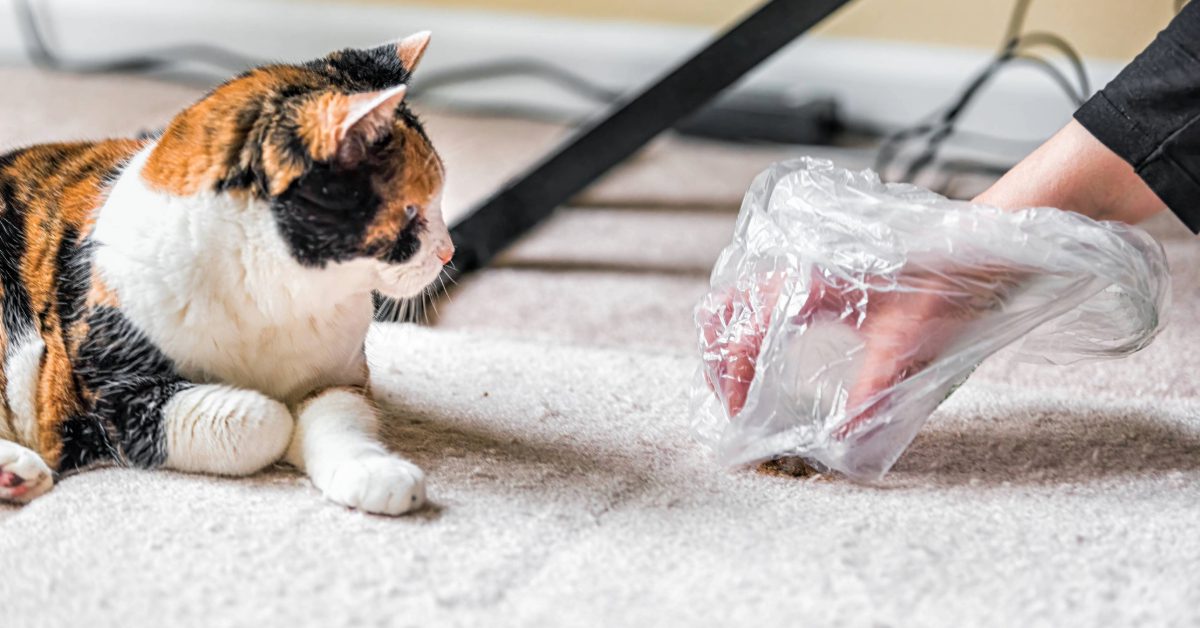
Hairball cat vomit typically looks like a cylindrical, tube-shaped clump of hair, often mixed with mucus or partially digested food. It is not usually round like a ball, despite the name. The vomiting process itself can look alarming, with retching and gagging sounds before the hairball is expelled. This is generally normal and nothing to panic over on its own.
At Advanced Pet Care of Clear Lake in Webster, TX, we often reassure cat owners that hairballs are a normal biological process. However, we also see cats whose “hairball” problems turn out to be something else entirely.
How Often Is Normal? Understanding Cat Hairball Frequency
There is no single number that defines “normal” hairball frequency, but most veterinarians consider one to two hairballs per month acceptable for an average adult cat. Long-haired breeds like Persians, Maine Coons, and Ragdolls tend to produce hairballs more frequently than short-haired cats because they swallow more fur during grooming.
Some cats rarely or never have hairballs, and that is normal too. Individual variation is wide. What matters most is not a specific frequency but rather changes from your cat’s established baseline and whether other symptoms accompany the vomiting.
When Hairball Vomiting Frequency Is a Red Flag
If your cat is vomiting what you think are hairballs more than once a week, something may be driving increased hair ingestion or disrupted digestion. Possible contributing factors include:
- Excessive grooming due to stress, anxiety, or skin conditions: Cats that over-groom swallow more fur, leading to more frequent hairball vomiting.
- Inflammatory bowel disease (IBD): IBD can slow gastrointestinal motility, making it harder for hair to pass through naturally, leading to more frequent hairball vomit in cats.
- Gastrointestinal motility disorders: Any condition that affects the normal movement of food through the gut can cause hair to accumulate rather than pass.
- Parasites or food sensitivities: These can cause general GI inflammation that contributes to vomiting, which may look like hairball-related symptoms but is not.
Is That Really a Hairball? How to Tell Cat Hairball Vomit Apart from Other Vomiting
One of the most important distinctions for cat owners to understand is the difference between true hairball vomiting and other types of vomiting in cats. Not everything your cat brings up is a hairball, even if the retching and gagging look similar.
True hairball cat vomit will contain a visible, hair-containing mass. If your cat is retching repeatedly and bringing up only yellow or clear fluid, bile, foam, or undigested food with no visible hair, that is not a hairball. It is vomiting from another cause, and it deserves prompt attention.
What Does Normal Hairball Vomit Look Like?
Normal hairball vomiting typically involves the following characteristics:
- A cylindrical or elongated clump of hair, often brown or the color of your cat’s coat
- Minimal or no blood
- Some mucus is normal; it helps lubricate the hairball as it comes up
- Your cat appears uncomfortable briefly before vomiting but recovers quickly and acts normally afterward
- Your cat eats, drinks, and uses the litter box normally after the episode
Warning Signs in Cat Hairball Vomit
Hairball vomit that contains blood is never normal. Even a small amount of red or dark brown material in your cat’s vomit should prompt a call to Advanced Pet Care of Clear Lake. Blood can indicate irritation, ulceration, or injury to the esophagus or stomach, and it requires veterinary evaluation.
When Cat Hairball Vomiting Becomes a Medical Emergency
Hairballs that cannot be vomited up and also cannot pass through the intestines can cause a life-threatening blockage. A gastrointestinal obstruction from a hairball, while less common than hairball vomiting, is a serious emergency that requires immediate veterinary care.
Contact Advanced Pet Care of Clear Lake immediately or go to an emergency veterinary clinic if your cat is showing any of the following signs:
- Repeated, unproductive retching with no hairball produced
- Loss of appetite lasting more than 24 hours
- Lethargy or unusual weakness
- A distended or painful abdomen
- Constipation or no bowel movements
- Repeated vomiting of food or liquid, not associated with hairball attempts
- Weight loss alongside frequent vomiting episodes
These symptoms suggest a possible obstruction, severe GI disease, or another condition that requires diagnosis and treatment. Do not wait to see if the problem resolves on its own.
The Difference Between Hairballs and Chronic Vomiting in Cats
Chronic vomiting in cats is a veterinary concern that is sometimes confused with hairball problems. Cats who vomit frequently, even occasionally, should not be dismissed as “just having hairballs.” Chronic vomiting in cats can be caused by a range of conditions, including inflammatory bowel disease, food allergies, hyperthyroidism, kidney disease, or even cancer.
If your cat vomits regularly, even if the vomit sometimes contains hair, and the frequency has increased over time, it is worth discussing with our veterinary team at Advanced Pet Care of Clear Lake. A thorough history, physical exam, and diagnostics can help differentiate normal hairball cat vomit from a chronic condition that requires treatment.
Can You Reduce Cat Hairballs?
There are several management strategies that can help reduce the frequency of hairballs in cats. While no approach eliminates hairballs entirely for cats prone to them, a combination of the following can make a meaningful difference.
- Regular brushing is one of the most effective tools. Brushing your cat frequently removes loose fur before it can be swallowed, directly reducing the hair that enters the digestive tract. For long-haired cats, daily brushing is ideal. For short-haired cats, a few times per week is usually sufficient.
- Specialized hairball control diets, which are higher in fiber and designed to help hair pass through the digestive system more efficiently, can also reduce hairball frequency. Ask the veterinarians at Advanced Pet Care of Clear Lake whether a hairball formula diet is appropriate for your cat.
- Hydration also plays a role in GI motility. Cats who drink more water tend to have better-functioning digestive tracts. Wet food, water fountains, and other strategies to encourage water intake can support overall gut health and reduce hairball vomiting.
What Your Vet Looks for During a Hairball Evaluation
If you bring your cat to Advanced Pet Care of Clear Lake for concerns about hairball cat vomiting, the veterinary team will take a thorough history and perform a complete physical exam. We will ask about the frequency and appearance of vomiting, your cat’s diet, grooming habits, and any other symptoms you have noticed.
Depending on the findings, we may recommend bloodwork, urinalysis, or imaging such as X-rays or ultrasound to evaluate the gastrointestinal tract and rule out underlying disease. We want to make sure what looks like a hairball problem is not actually something more serious going on beneath the surface.
Trust Your Instincts About Your Cat’s Health
Cat owners know their pets better than anyone. If something about your cat’s vomiting feels different, more frequent, more distressing, or just not right, trust that instinct. Hairball vomiting in cats is common and usually manageable, but it is not something to simply accept without understanding what is normal for your individual cat and when the pattern changes.
Our team at Advanced Pet Care of Clear Lake in Webster, TX is here to help you navigate the difference between normal hairball vomit and something that needs attention. Call us at (281) 486-1509 or book an appointment online if you have concerns about your cat’s vomiting, grooming habits, or overall digestive health. We serve cat owners throughout Webster, the Clear Lake area, and greater Houston, and we would love to be your cat’s veterinary home.
About Us
Advanced Pet Care of Clear Lake is a full-service veterinary hospital in Webster, TX, offering advanced diagnostics, surgery, dental care, and boarding for pets, including exotics.