

Uncategorized
The Double Trouble Guide: What to Do When Your Cat Has Diarrhea and Vomiting
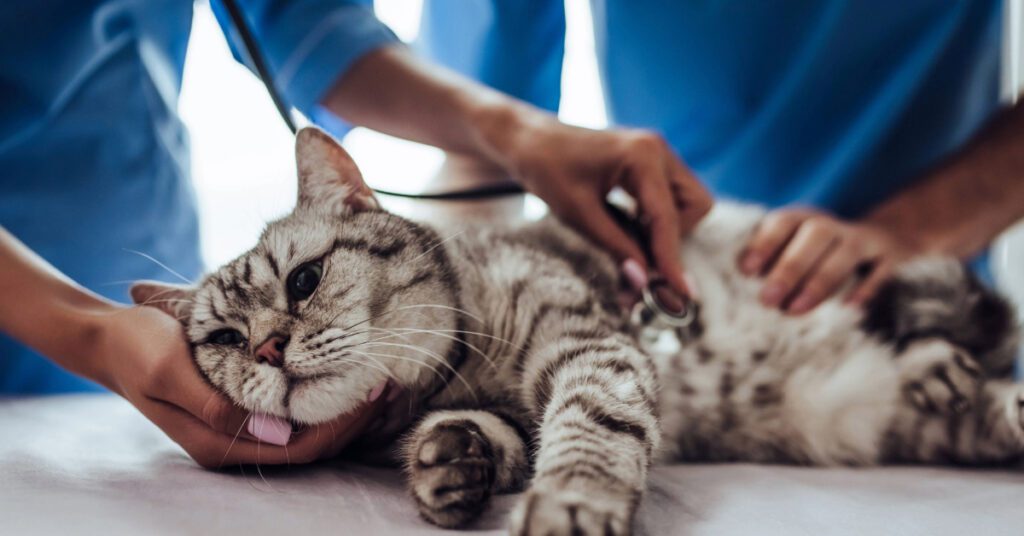
When your cat has diarrhea and vomiting at the same time, it is hard not to feel alarmed. These two symptoms together indicate that something has disrupted your cat’s gastrointestinal system, and the combination can range from a self-limiting stomach upset to a sign of a serious underlying condition. At Advanced Pet Care of Clear…
Read MoreWhy Does My Dog Keep Coughing?

A dog coughing occasionally is not always a reason to worry, but a dog that keeps coughing is telling you something. Coughing in dogs is a symptom, not a diagnosis, and it can point to everything from a minor irritation to a serious respiratory or cardiac condition. Below, we’ll help you understand the different types…
Read MoreMy Dog Was Stung by a Bee! The First 4 Steps To Take

If your dog was stung by a bee, the first thing to know is this: most bee stings in dogs are painful but not dangerous. Dogs are naturally curious, and bees are naturally territorial, which means bee stings happen more often than most pet owners expect. But while many stings are minor, some dogs have…
Read MoreNormal or Not? When Your Cat’s Hairball Vomit Is Actually a Cause for Concern
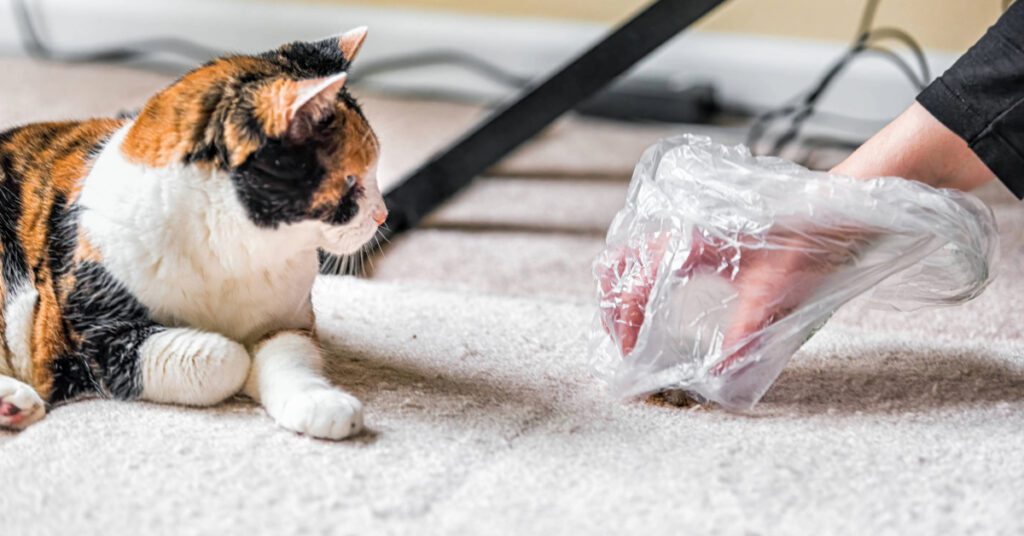
Hairballs are practically synonymous with cat ownership, and most cat owners have cleaned up more than a few. But not all hairball vomit is created equal. While an occasional hairball is a normal part of life with a cat, certain changes in frequency, appearance, or your cat’s behavior around vomiting can signal something more serious.…
Read MoreWhy Is My Dog Vomiting Yellow?
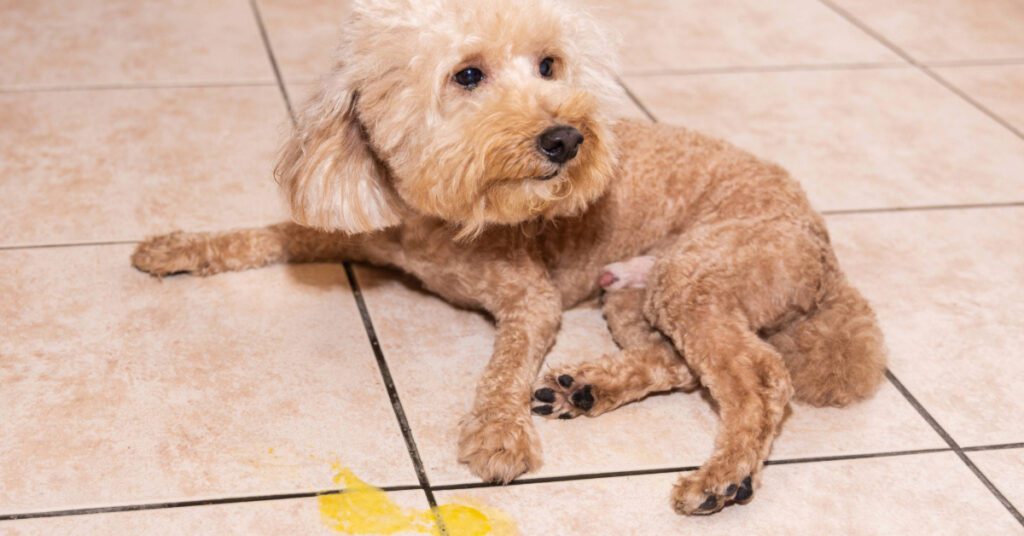
If your dog is vomiting yellow, the most likely culprit is bile, which is a digestive fluid produced by the liver and stored in the gallbladder. A dog vomiting yellow foam or yellow liquid is typically bringing up bile from an empty or irritated stomach. While this is often not a medical emergency, it is…
Read MoreWhy Does My Dog Keep Eating Grass?

If your dog keeps eating grass, you are not alone, and your dog is probably not sick. Dogs eating grass is one of the most common behaviors pet owners notice and one of the most frequently searched questions on the internet. The short answer is that grass eating in dogs is usually normal, but there…
Read MoreReverse Sneezing in Dogs: What It Is, What It Looks Like, and What to Do
Reverse sneezing in dogs is a sudden, noisy breathing episode caused by irritation in the nasal or throat area, and it often sounds far more alarming than it truly is. Many pet owners first notice reverse sneezing when their dog stiffens, extends their neck, and makes loud snorting or gasping sounds. Although reverse sneezing can…
Read MoreCan My Cat Drink Milk? The Surprising Truth About Felines and Dairy

Can cats drink milk? Most adult cats should not. While milk often appears harmless and familiar, dairy commonly causes digestive upset in cats due to lactose intolerance. This reality surprises many pet owners who grew up seeing cats happily lap from a saucer. Understanding why this myth persists and how milk actually affects feline digestion…
Read MoreMore Than Just a Shot: The Importance of Keeping Your Cat’s Vaccinations Up to Date
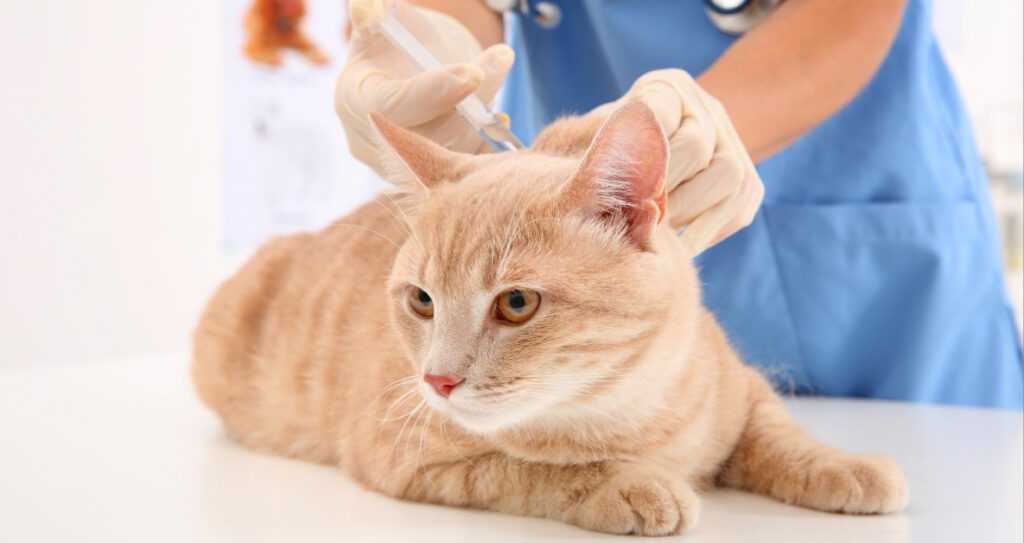
Cat vaccinations protect cats from contagious, preventable diseases that can affect their health, comfort, and lifespan. When pet owners keep vaccinations current, they help reduce illness, limit disease spread, and support long-term wellness. Vaccinations also support safer interactions with other animals and people, especially in households with multiple pets. Many serious feline illnesses remain common…
Read MoreWhy Does My Dog’s Breath Smell So Bad? 7 Common Causes and How To Help Your Pet

Bad breath in dogs usually means more than an unpleasant odor. In many cases, bad breath reflects changes inside the mouth, digestive system, or other organs. While every dog experiences temporary odor from time to time, persistent bad breath often points to underlying concerns that deserve professional attention. Understanding why bad breath in dogs develops…
Read More